
Long before choosing sensors, selecting a supplier, or even deciding which equipment to monitor, the real first step in implementing predictive maintenance on your production line is “Step Zero.”
When a manufacturing company decides to move towards predictive maintenance, the initial enthusiasm often leads it to rush through the process. It’s easy to imagine: connected technologies deployed, algorithms analyzing data in real time, and breakdowns magically prevented.
Yet the reality quickly catches up with even the most impatient. “Most projects that fail or stall don’t lack technology; they simply lack preparation.” — Yun Yao, CEO of Soralink.
It is during this pivotal moment in “Step Zero” that the line is drawn between a costly initiative and a genuine, profitable industrial transformation.
Defining Success: Moving Beyond “Just” Collecting Data
Installing sensors just to integrate AI into your business is a costly mistake. Without clear objectives, you’re just accumulating digital noise (data). “Step zero” asks you to identify a specific pain:
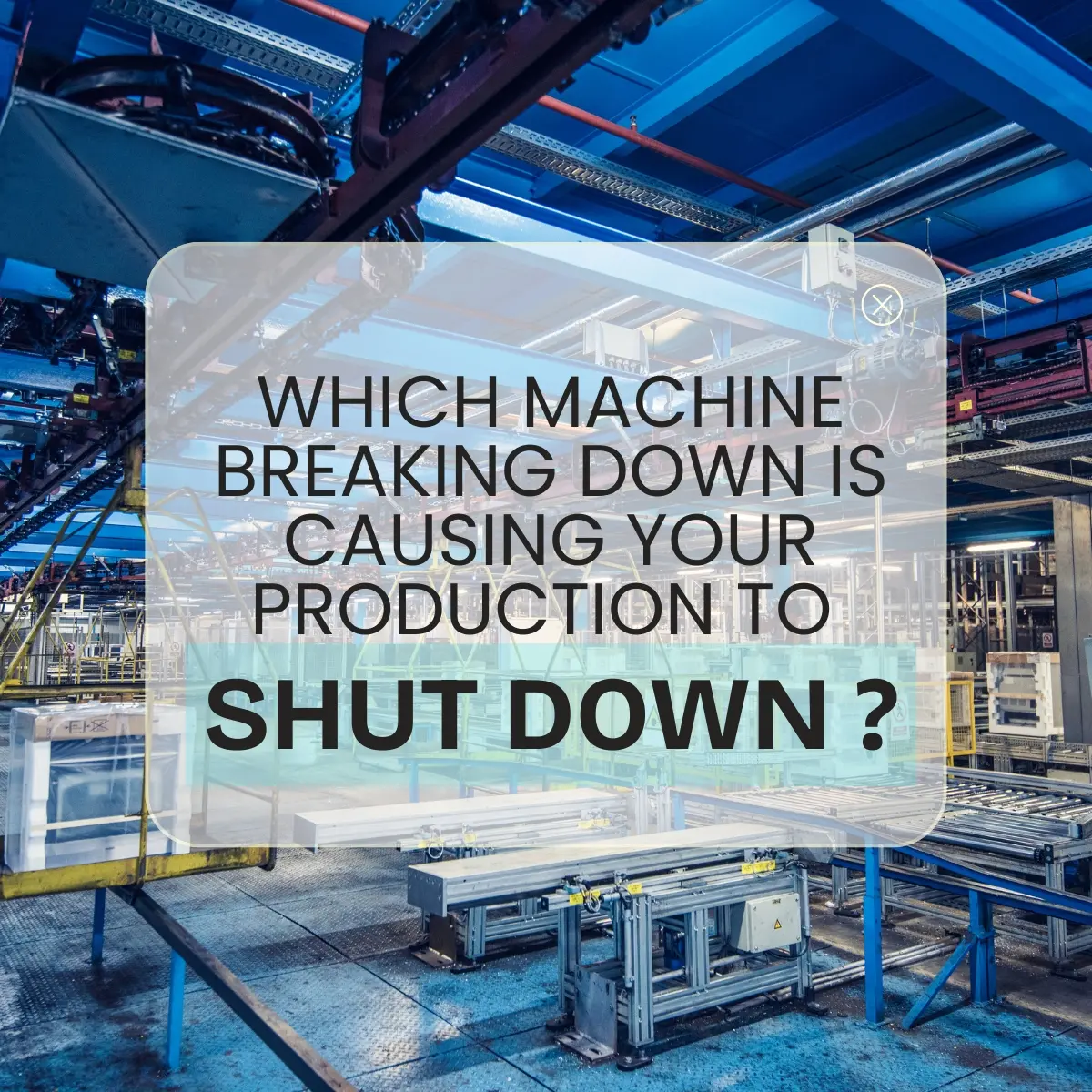
- Which machine(s) breaking down is causing your production to shut down?
- Do your maintenance technicians need to free up some time?
- Do you need to maximize the lifespan of an asset?
- Do you want to eliminate delivery delays? Raw material waste? Overtime required to fulfill orders?
The less you spread yourself too thin at the start, the more immediate the financial impact will be.
For predictive maintenance to deliver results, you must link your project to clear and indisputable key performance indicators (KPIs). Whether your goal is to maximize the time between breakdowns, minimize repair time, or cut down on emergency service costs, it all starts with an accurate assessment of your current situation. Without this initial baseline, it will be impossible to demonstrate the return on investment (ROI) to your management.
People at the Heart of the Technological Transition
Beyond algorithms and sensors, predictive maintenance remains, above all, a human endeavor. Step Zero therefore requires securing the full buy-in of everyone in the company, from members of management to frontline staff. For managers, the focus must be on profitability, operational continuity, and budget control. For technicians and operators, the approach must be much more collaborative. Sensors are not meant to replace their expertise, but to provide them with a customized diagnostic tool that will spare them from stressful emergency calls in the middle of the night. By involving team members on the ground from the very beginning of the project, you can turn legitimate apprehension into a sense of ownership that is essential to future success.
Make choices now to avoid unpleasant surprises later
Waiting until the sensors are installed on your machines to start wondering where the data will go or who will read it is the surest way to derail your project. Sorting out a few practical issues right from the start will save you time and money. Here are two key ones:
1. Should you store your data in the cloud or at your facility (on-site)?
The cloud is the simplest and fastest solution to set up. It allows the system to update automatically and makes it easy to access. However, if your factory has poor Internet reception or if your security policies are very strict, installing the system directly on your own servers is the best option to plan for from the start.

2. Should you analyze the data yourself or team up with experts?
Do you already have in-house specialists who can interpret vibration or temperature graphs? If so, you can manage the system entirely on your own. If not, don’t overload your technicians with complex data they don’t have time to analyze. By choosing a managed solution, a specialized partner handles the analysis for you: your teams simply receive clear alerts and know exactly what to fix, without wasting any time.
Moving Forward Methodically and with an Open Mind
Ultimately, successfully completing Stage Zero requires striking a delicate balance between caution and curiosity. Caution dictates that you should not attempt to implement the system across an entire plant overnight, but rather start with a pilot project focused on a small, representative sample of equipment. This phased approach allows you to test the entire production line, make adjustments, and validate the benefits before considering scaling up. At the same time, maintaining a curious and open mind allows you to embrace the insights that data analysis is sure to reveal. Artificial intelligence and the Industrial Internet of Things often shed light on unexpected machine behaviors, offering a unique opportunity to evolve your practices. By carefully planning this preparatory phase, you give your company the tools it needs to successfully transition to Industry 4.0. Turn your reliability goals into tangible results today. At Soralink, we guide you through every decision starting from the very beginning to ensure your project’s success.